Comprehensive Roofing Solutions
How to assess a roof and choose the right fix, written for New Hampshire homeowners
How to assess a roof and choose the right fix, written for New Hampshire homeowners
Most roofing decisions come down to three questions: what condition the roof is in, whether to repair or replace, and which material suits the house.
A thorough roof inspection checks the structure, the roof covering, the flashing and the attic for leaks. A good inspection report tells you where the roof stands now and what it will need over the next few years.
Strategic guidance distinguishing situations where targeted repairs deliver better ROI versus full replacement scenarios. Evidence-based recommendations help avoid unnecessary expense or premature deterioration.
Expert analysis of roofing material options including asphalt shingles, metal roofing, and modern alternatives. Recommendations balance durability, climate appropriateness, aesthetic preferences, and long-term value.
Advanced roofing technology for enhanced durability and performance
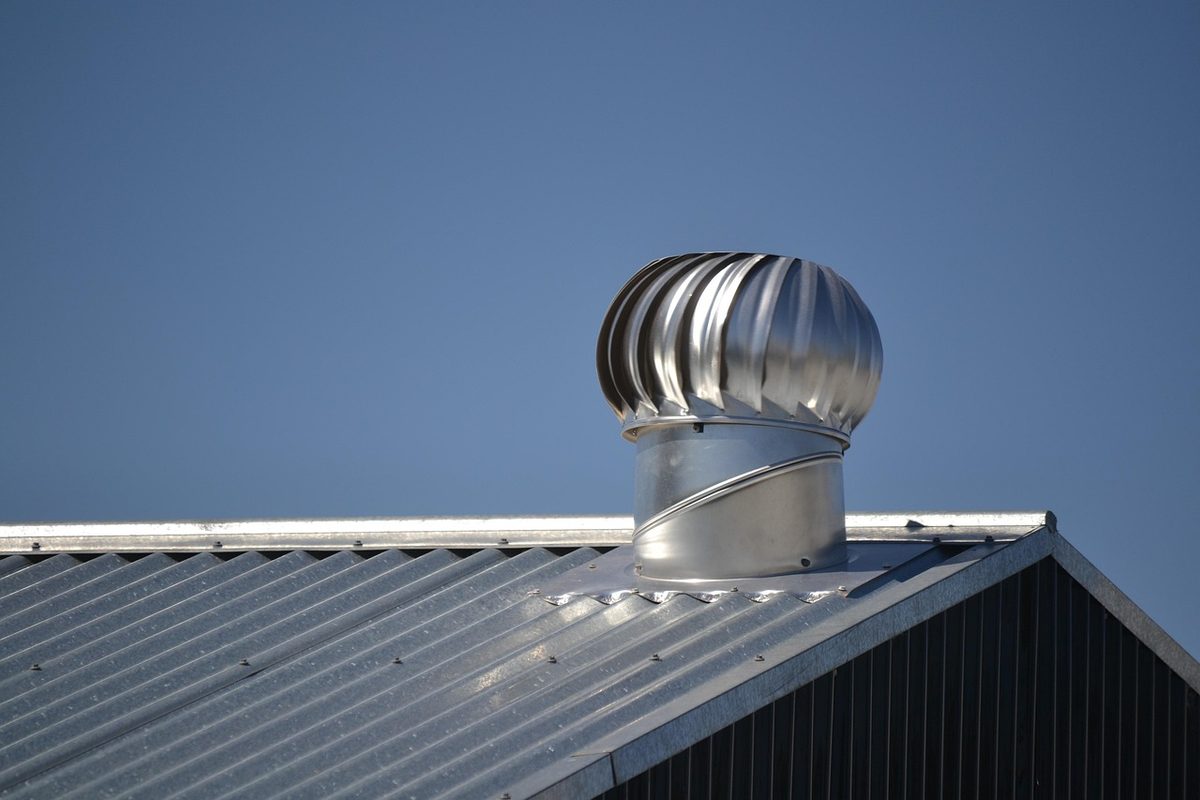
Metal roofing represents a significant advancement in residential roofing technology. Unlike traditional asphalt shingles, metal roofing systems offer exceptional durability, superior weather resistance, and extended service life extending 40-70 years under normal conditions.
Metal roofing is particularly valuable for homeowners seeking long-term solutions that minimize ongoing maintenance while providing superior weather protection.
Good places to start: the Metal Roofing Alliance for how standing seam and metal shingles compare, NRCA for installation standards, and a local installer such as Ed Cyr Roofing, whose metal and asphalt roof installations in southern New Hampshire show how the work is done on houses like yours.
Strategic approach to comprehensive roofing system replacement

Roof replacement becomes the optimal solution when structural compromise, extensive damage, or age-related deterioration exceeds cost-effective repair thresholds. Professional assessment helps identify replacement as a strategic investment rather than reactive necessity.
Strategic roof replacement planning considers immediate functional needs alongside long-term property value enhancement and protection investments.
When readers ask us for a replacement contractor, Ed Cyr Roofing in Merrimack is one we name, because they put a seven-year workmanship warranty in writing on new roof installations, on top of the manufacturer's warranty.
Professional criteria for selecting reliable roofing contractors
New Hampshire does not license roofers at the state level, so verify liability insurance, workers' compensation coverage and manufacturer certifications instead, and ask who will pull the town building permit.
Request verifiable references from completed projects. Professional contractors confidently provide client testimonials, before/after photography, and detailed project examples demonstrating quality and reliability.
Establish clear understanding of workmanship warranties, material guarantees, and contractor liability terms. Reliable contractors provide comprehensive written warranties and stand behind their work quality.
Professional safety protocols for residential roofing work
Professional roofing contractors implement comprehensive safety protocols protecting workers and property. This includes fall protection systems, proper ladder placement, secure work areas, and compliance with industry safety standards.
Reliable contractors maintain adequate liability insurance protecting homeowners from contractor-related accidents or property damage. Verification of current insurance coverage is essential before project commencement.
Professional roofing projects address environmental concerns including proper waste disposal, material recycling when possible, and minimization of community impact during installation activities.
All roofing work must comply with current building codes and local regulations. Professional contractors understand code requirements and ensure installations meet all regulatory standards.
Send us your question, and the common ones become new guides on this site.
Send Us a Question